
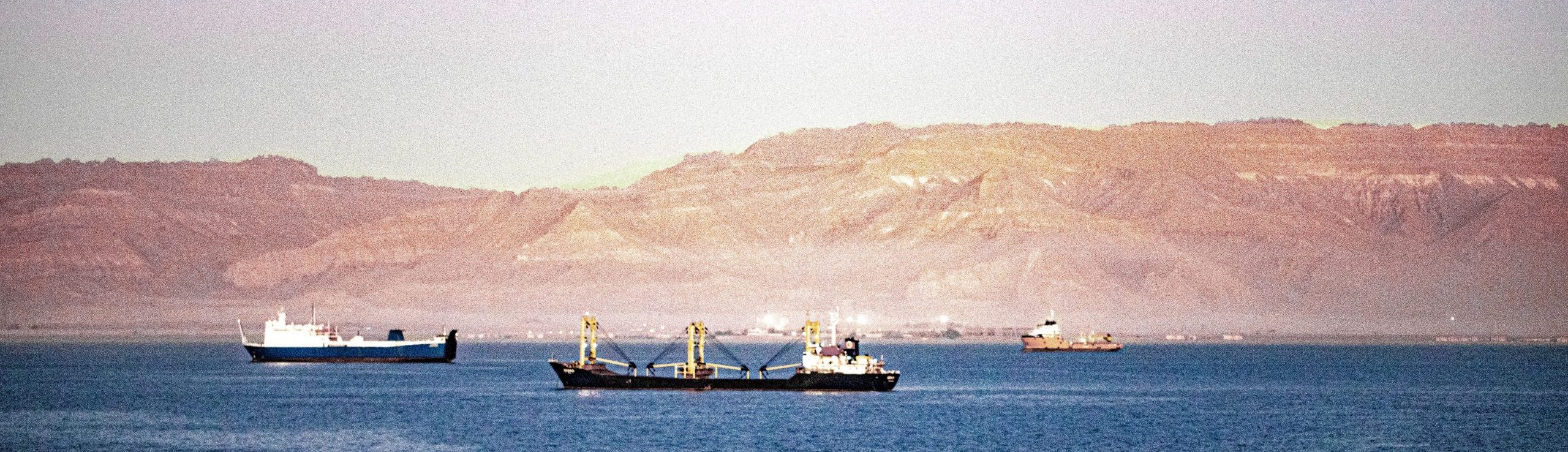
What the Reopening of the Strait of Hormuz Means for UK Energy Markets
After months of disruption, the Strait of Hormuz is set to reopen following the memorandum of understanding signed between the United States and Iran. The agreement, which also includes the clearance of mines from the waterway, has been broadly welcomed by traders and policymakers as a step towards stabilising a global energy market that has been on edge since the conflict began earlier this year. For UK businesses, the question now is what this development actually means for the energy rates they pay, and how quickly any relief might arrive.
Why the Strait Matters So Much
The Strait of Hormuz is the narrow channel separating Iran from the Arabian Peninsula, and it has long been regarded as the single most important chokepoint in global energy markets. A substantial share of the world’s seaborne crude oil and a significant proportion of global liquefied natural gas exports, much of it from Qatar, pass through this waterway every day. When fighting escalated and the Strait was effectively closed to commercial shipping, the impact was immediate and severe: oil production in Gulf states was curtailed, Qatari LNG exports were disrupted, and benchmark prices spiked sharply as buyers around the world scrambled to secure alternative supplies.
How Prices Have Moved So Far
Before the conflict began, Brent crude was trading at around $66 to $70 a barrel. At the height of the disruption, prices briefly touched the $100 mark, with some forecasters warning of triple-digit spikes if the blockade dragged on. UK wholesale gas prices followed a similarly volatile path, climbing by around three-quarters in the space of a few weeks and at one stage reaching levels not seen in years. Since then, prices have eased considerably each time progress towards a ceasefire has been reported, only to bounce back when talks have stalled or fresh strikes have taken place elsewhere in the region. That pattern of advance and retreat has made the market unusually difficult to predict, even for experienced energy buyers.
With the latest agreement now in place and the Strait due to reopen, both oil and UK gas benchmarks have fallen back from their peaks. However, analysts are clear that current levels remain above where they stood before the conflict began, and that a full return to pre-crisis pricing is far from guaranteed.
Why Relief Is Likely to Be Gradual Rather Than Immediate
Several factors point towards a slow and uneven path back to normal, rather than a sudden drop in prices. Tanker traffic through the Strait collapsed dramatically during the crisis, and rebuilding normal shipping patterns will take time as vessels that were rerouted around southern Africa make their way back, insurance premiums for the region remain elevated, and operators wait for confirmation that mine-clearing operations have been completed safely. Industry estimates suggest oil prices alone could take several weeks to stabilise even with the Strait formally open. Qatar’s LNG facilities, which were knocked offline during the fighting, also need time to restart production at scale.
There is also the question of durability. The current arrangement has been described by some commentators as closer to a temporary truce than a lasting peace settlement, and energy markets remain highly sensitive to any signs of renewed tension. A single setback, whether a stalled negotiation or an isolated incident at sea, has repeatedly been enough to send prices climbing again over the past few months.
For UK businesses specifically, there is an added complication in how regulated price movements work their way through to consumers. Ofgem’s price cap, for example, is calculated using a three-month observation window of wholesale prices, meaning that the spike seen earlier in the year is still being factored into upcoming price periods even as spot prices ease. Commercial energy contracts work differently from the domestic cap, but the same underlying principle applies: wholesale volatility takes time to filter through to the rates suppliers offer, and the window during which more competitive deals become available can be narrow and unpredictable.

What This Means Looking Ahead
Industry forecasts vary depending on how durable the peace proves to be. Under more optimistic scenarios, where the ceasefire holds and shipping normalises, oil prices are expected to ease further over the remainder of the year and into 2027, with global economic activity gradually returning towards its pre-conflict trajectory. Under less favourable scenarios, where tensions resurface or the agreement breaks down, the risk of renewed spikes remains real. Most analysts agree on one point: even in the best case, the adjustment will be measured in weeks and months rather than days, and the market is likely to stay more volatile than businesses have grown used to in calmer years.
That combination of falling-but-still-elevated prices and ongoing uncertainty creates a genuinely tricky environment for any business trying to budget for its energy costs or decide whether to fix a rate now or wait. Acting too early risks locking in a rate before further falls materialise; waiting too long risks missing a window if sentiment turns and prices climb again.
Speak to Cibus Energy About Your Current Rates
Given how quickly this market is moving, now is a sensible time for businesses to review their current energy contracts and understand exactly how exposed they are to ongoing volatility. Cibus Energy can talk through your existing rates, explain what the latest market developments could mean for your renewal, and help you weigh up the options available before your next contract decision. Get in touch with the team at Cibus Energy today to make sure your business is positioned to take advantage of this shifting market, rather than being caught out by it.