
Energy Procurement Strategies for Energy-Intensive Businesses in the UK Amid the Global Energy Situation
As energy-intensive businesses in the UK navigate an increasingly complex global energy landscape, the importance of strategic energy procurement is more pronounced than ever.
With the volatility in global energy markets, driven by geopolitical tensions, supply chain disruptions, and the ongoing transition to renewable sources, UK businesses must adapt their energy procurement strategies to remain resilient, cost-effective, and sustainable.
Understanding Current Global Energy Market Dynamics
The global energy market has been characterised by significant fluctuations over the past few years. Rising gas and electricity prices, supply shortages, and the broader push for decarbonisation have put pressure on businesses across industries. For energy-intensive sectors—such as manufacturing, steel production, and data centres—these dynamics pose both challenges and opportunities.
Key considerations include the need to manage energy price volatility, secure reliable energy supplies, and align procurement strategies with long-term business objectives. Businesses are increasingly aware that their energy procurement decisions have far-reaching implications, impacting operational costs, carbon footprints, and overall competitiveness.
Developing a Comprehensive Energy Procurement Strategy
Risk Management and Hedging:
Energy price volatility has made risk management a central pillar of energy procurement. Many energy-intensive businesses are adopting hedging strategies to lock in energy prices over longer periods, mitigating the impact of market fluctuations. This approach can involve a mix of fixed-price contracts, index-linked pricing, and flexible procurement agreements, allowing businesses to tailor their strategies to market conditions and risk tolerance levels.Diversification of Energy Supply:
Relying on a single source or supplier can expose businesses to heightened risks. Therefore, diversifying energy supply sources—such as combining grid electricity, on-site generation, and energy storage—can enhance resilience. Businesses are also exploring opportunities to enter into power purchase agreements (PPAs) with multiple suppliers, ensuring a steady supply of energy while reducing exposure to price spikes.Energy Efficiency Measures:
Reducing overall energy consumption is integral to managing procurement needs. Energy-intensive businesses are increasingly investing in energy efficiency technologies, from upgrading machinery and implementing smart energy management systems to retrofitting facilities for better insulation. These measures not only lower overall energy demand but also reduce costs and emissions.

Green Energy Procurement and Sustainability Goals
A critical dimension of modern energy procurement strategies is the incorporation of green energy. The UK’s commitment to achieving net-zero emissions by 2050 has motivated businesses to align their energy procurement with broader sustainability goals. Procuring green energy offers a pathway to reduce emissions, meet regulatory requirements, and enhance corporate reputation.
Power Purchase Agreements (PPAs) with Renewable Energy Providers:
PPAs are long-term contracts between businesses and renewable energy generators, such as wind and solar farms. These agreements provide businesses with a predictable energy supply at a stable price, often below market rates. By entering into PPAs, businesses can directly support the development of new renewable energy projects while securing green electricity.Renewable Energy Certificates (RECs):
Another option is purchasing RECs, which certify that a certain amount of electricity has been generated from renewable sources. While RECs do not involve a direct energy supply, they allow businesses to offset their carbon emissions and demonstrate a tangible commitment to sustainability.On-Site Renewable Energy Generation:
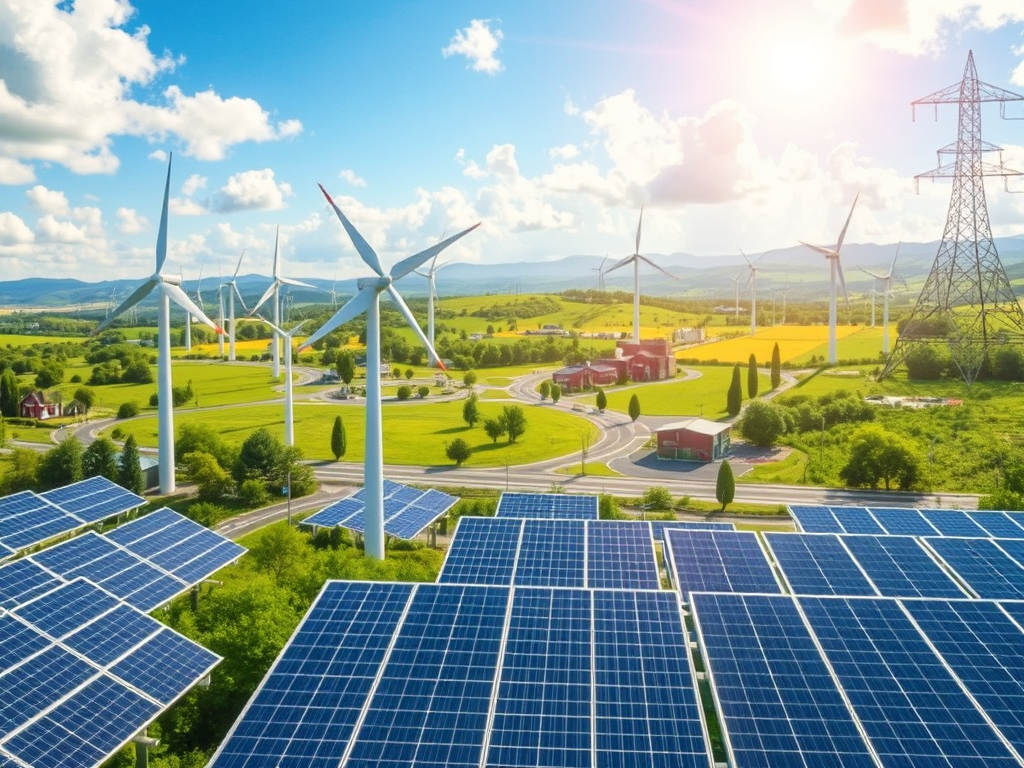
Investing in on-site renewable energy installations, such as rooftop solar panels or biomass plants, can provide businesses with greater control over their energy supply. This approach also reduces reliance on external energy markets and minimises transmission losses, contributing to both cost savings and emissions reductions.Green Tariffs:
Many UK energy suppliers now offer green tariffs, allowing businesses to procure a percentage or all of their electricity from renewable sources. These tariffs are often structured to support the growth of renewable energy infrastructure and enable businesses to align their energy consumption with sustainability targets.
Conclusion
Energy-intensive businesses in the UK must navigate a rapidly evolving global energy environment. By adopting a proactive and comprehensive energy procurement strategy, businesses can mitigate risks, control costs, and meet sustainability objectives. Incorporating green energy procurement is not only a response to regulatory and societal pressures but also a future-proofing measure, giving businesses a competitive edge in a low-carbon economy. As the global energy situation continues to evolve, UK businesses that prioritise flexible, diversified, and sustainable energy procurement will be best positioned to thrive.